
Visa Partners with Aquanow to Grow Stablecoin Capabilities
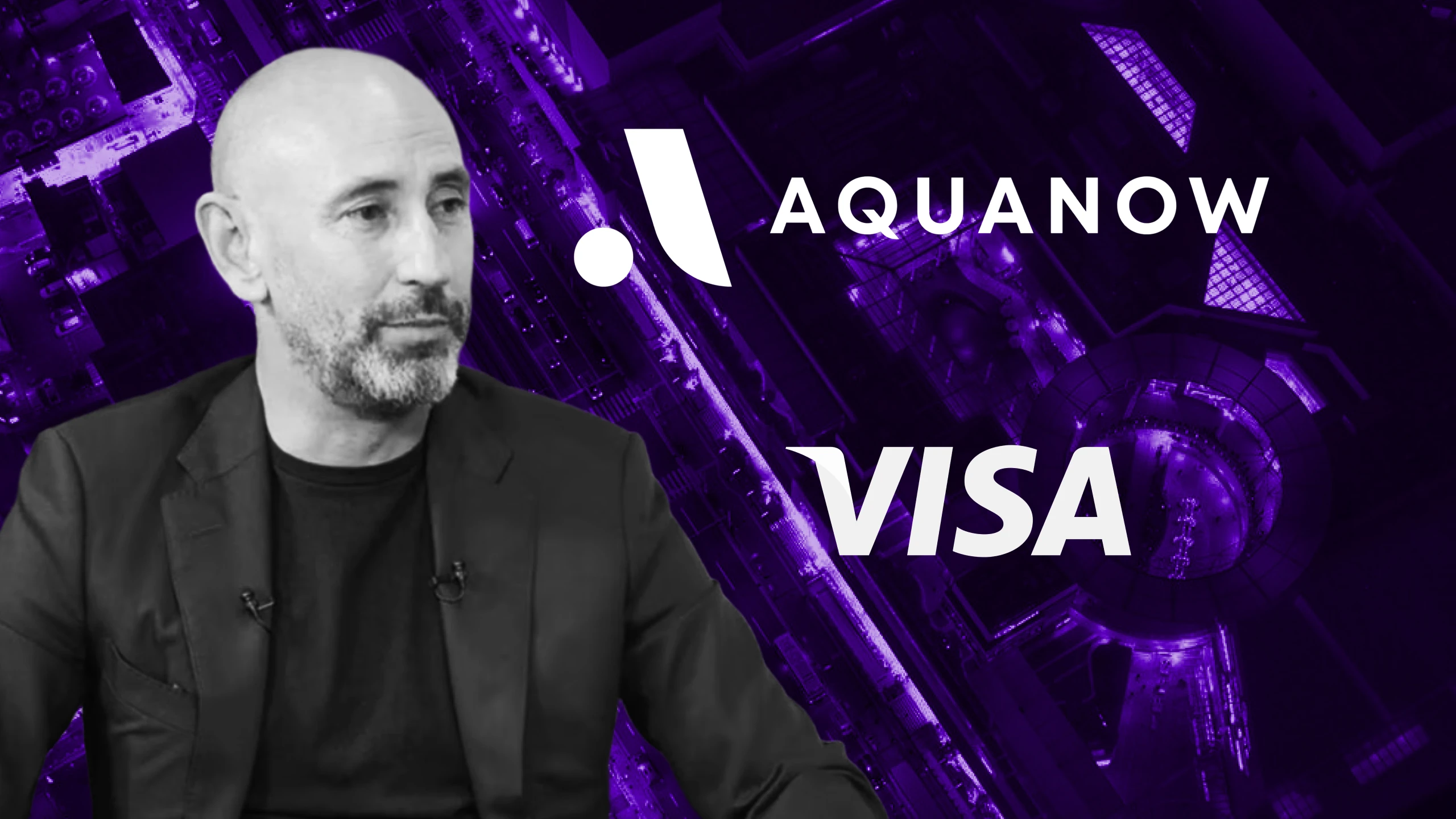
Visa Inc. (NYSE: V) has announced a strategic partnership with Aquanow, a global digital assets platform, to expand its stablecoin settlement capabilities across the Central and Eastern Europe, Middle East, and Africa (CEMEA) region. The collaboration enables financial institutions to settle transactions using approved stablecoins such as USDC, reducing costs and settlement times while supporting 365-day operation.
The November 27 announcement marks a significant expansion of Visa's blockchain infrastructure, integrating Aquanow's digital asset technology with Visa's global payments network to enable issuers and acquirers to settle transactions with reduced operational friction.
Addressing Cross-Border Payment Challenges
Financial institutions face persistent challenges with traditional cross-border transactions, including high costs, multiple intermediaries, and settlement delays that can span several days. Visa's stablecoin settlement solution addresses these pain points by leveraging blockchain technology to digitize the backend of money movement.
"By harnessing the power of stablecoins and pairing them with our trusted global technology, we are enabling financial institutions in CEMEA to experience faster and simpler settlements," said Godfrey Sullivan, Head of Product and Solutions for CEMEA at Visa.
According to Sullivan, the partnership represents a key step in modernizing payment infrastructure by reducing reliance on traditional systems with multiple intermediaries.
Visa Boasts Significant Transaction Volumes
Visa pioneered major payment network stablecoin settlements in 2023 when it first piloted enabling clients to fulfill settlement obligations in USDC. The company reports that monthly volume has now reached a $2.5 billion annualized run rate, demonstrating significant institutional adoption of the technology.
Phil Sham, CEO of Aquanow, emphasized the complementary nature of the partnership:
"Visa's reliable global network has long moved money securely and efficiently. Together, Visa and Aquanow are unlocking new ways for institutions to participate in the digital economy, leveraging stablecoin technology to settle with the speed and transparency of the internet."
What is Aquanow?
Aquanow operates as an institutional digital asset platform specializing in liquidity and infrastructure solutions for banks, neobanks, brokerages, and payment companies. Founded in 2018, the company employs over 170 team members across global offices and underwrites billions of dollars in monthly cryptocurrency brokerage and payment transactions.
The company has demonstrated rapid growth, achieving recognition on the Deloitte Technology Fast 500 list for the second consecutive year in 2024 with a four-year revenue growth rate of 3,022%.
In the United Arab Emirates, Aquanow operates through Aquanow ME FZE, incorporated in Dubai World Trade Centre under license number L-2795. The entity is regulated by Dubai's Virtual Assets Regulatory Authority with license VL/24/01/001 for broker-dealer services, lending and borrowing services, and management and investment services.
Visa's Recent Crypto Moves
Visa has accelerated its blockchain and digital asset initiatives throughout 2024 and 2025, positioning itself at the forefront of institutional cryptocurrency adoption.
Visa Tokenized Asset Platform (VTAP)
In October 2024, Visa introduced the Visa Tokenized Asset Platform (VTAP), a product designed to help financial institutions issue and manage fiat-backed tokens on blockchain networks. Spanish banking giant BBVA became one of the first institutions to use VTAP, with plans to launch live pilots on the Ethereum blockchain in 2025.
The platform enables banks to mint, burn, and transfer fiat-backed tokens such as tokenized deposits and stablecoins through API integration, requiring minimal technical changes to existing infrastructure. VTAP supports programmable finance through smart contracts, allowing banks to automate complex workflows such as credit line administration and near-real-time settlement of tokenized securities.
Expanded Stablecoin and Blockchain Support
In August 2025, Visa expanded its stablecoin settlement platform to support additional digital assets and blockchain networks. Through a partnership with Paxos, Visa added support for two dollar-backed stablecoins: Global Dollar (USDG) and PayPal USD (PYUSD). The company also integrated Circle's euro-backed EURC, marking the first time Visa offered euro-denominated stablecoin settlement.
The expansion included support for two additional blockchain networks (Stellar and Avalanche) joining the previously supported Ethereum and Solana networks. This multi-chain approach enhances interoperability and provides financial institutions with greater flexibility in their blockchain operations.
Sources
- Globe Newswire: Visa Partners with Aquanow to Enable Faster Settlement Using Stablecoins
- Aquanow: Official Website
- Visa Corporate: Visa’s Role in Stablecoins
- Deloitte: 2025 Deloitte Technology Fast 500
- Visa: Visa Introduces the Visa Tokenized Asset Platform
- Visa: Visa Expands Stablecoin Settlement Support
[Disclaimer: The content of this article is intended for entertainment and educational purposes only. No content published by Block319 is intended to constitute financial advice or advice of any kind. Block319 will not be liable for any losses incurred as a result of interacting with any platforms, products or services mentioned in this article. The blockchain industry is always risky. Always do your own research before engaging with any platform, product or service. If you believe the information included in this article is incorrect, please send an email to info@block319.com and we will endeavour to respond as soon as possible.]